Our home

Izabal Guatemala Caribbean Coast & the Communities We Serve

El Faro sits in Izabal, a tropical region shaped by water, trade, migration, deep cultural traditions, and communities too often separated from services by distance and infrastructure.

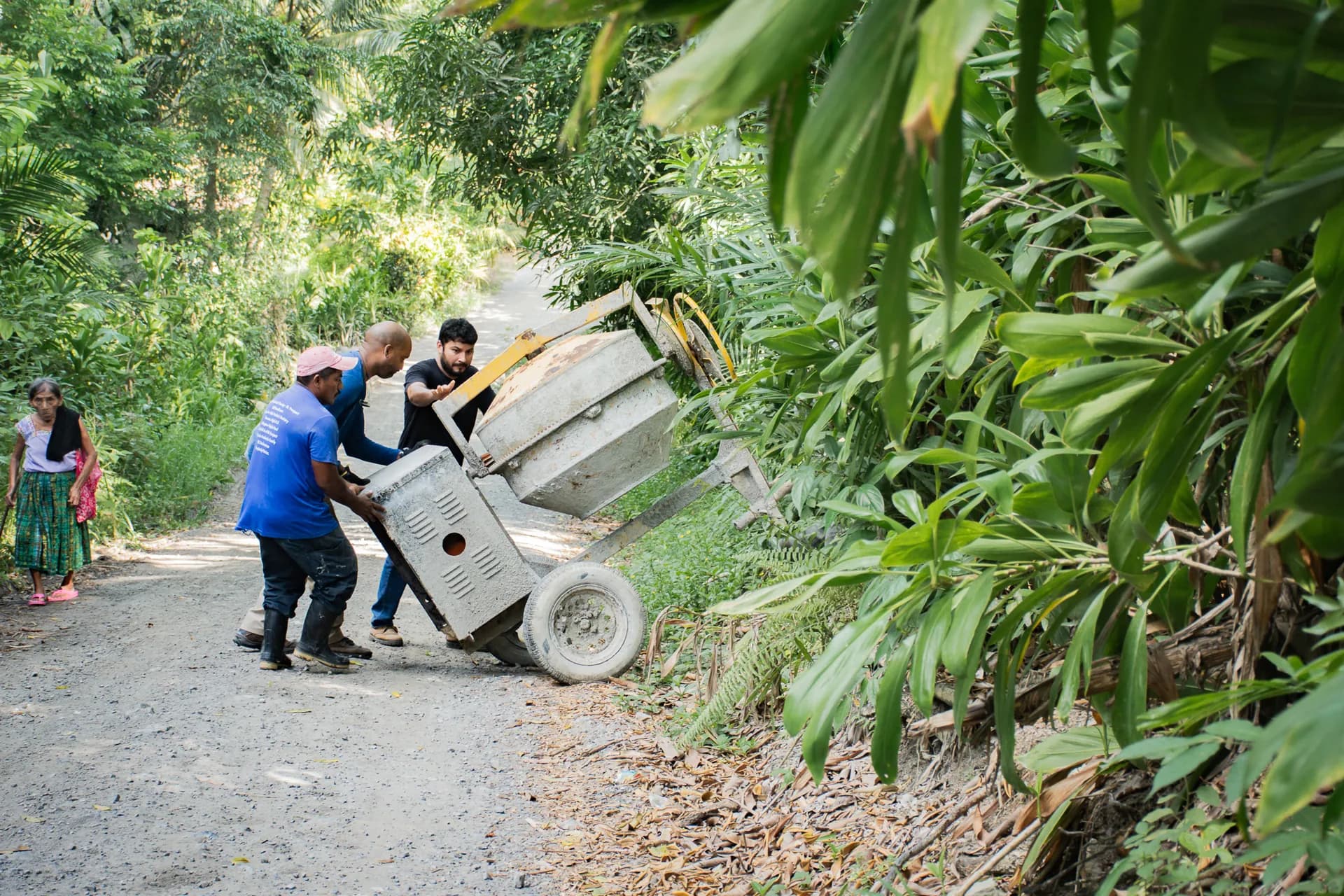
Team members move project materials along a tropical path in Izabal, Guatemala.
01

A country of beauty and contrast

Guatemala is known for mountains, volcanoes, lakes, forests, historic cities, Indigenous cultures, and deep traditions of faith and family. It is also a country where geography, poverty, unequal access, and limited infrastructure shape daily life for many communities.

Visitors should hold both realities together. Guatemala is not defined only by need, and its beauty should not be used to overlook hardship. Respectful engagement begins with seeing people as neighbors with history, strengths, culture, and agency.
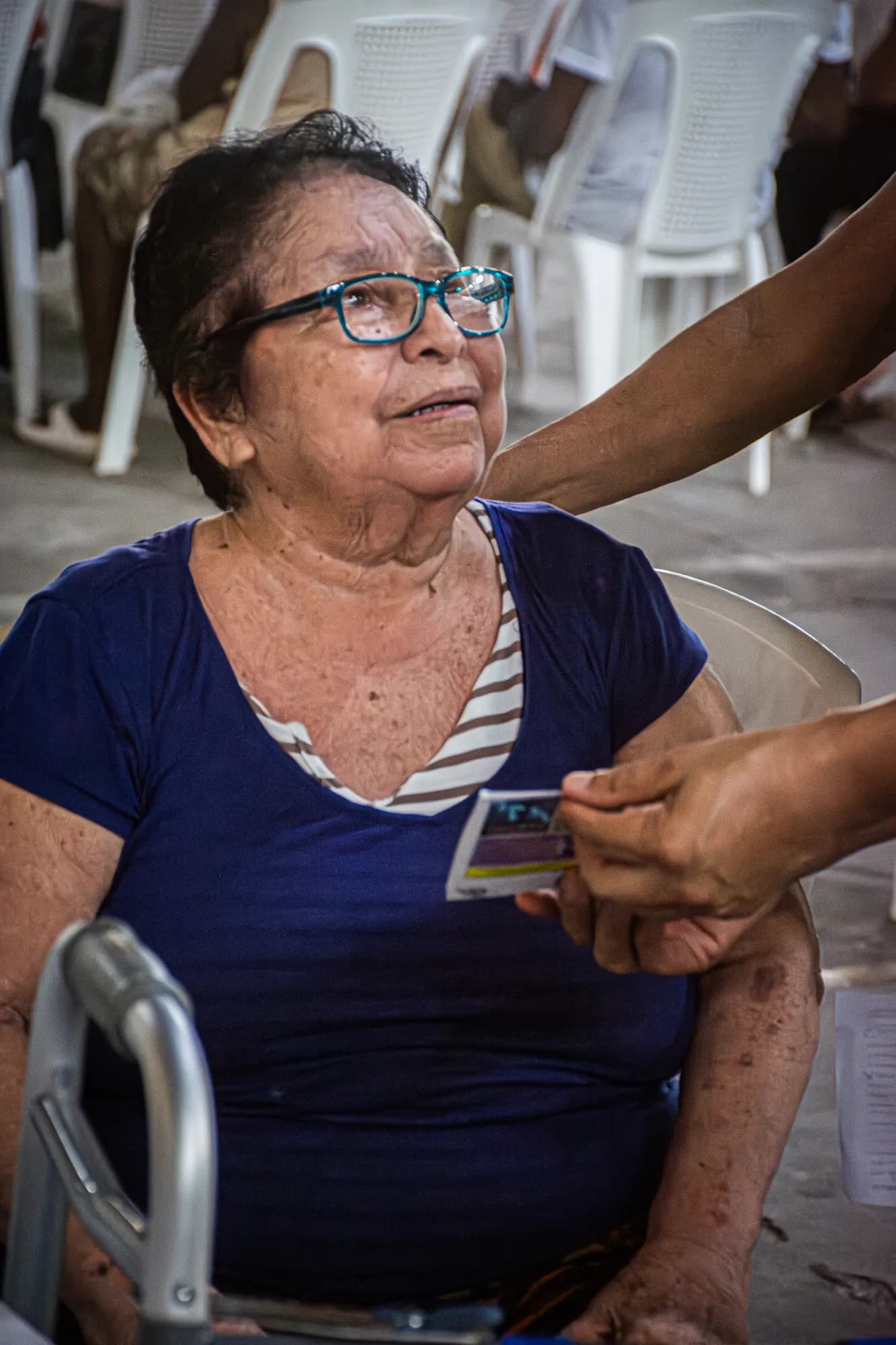
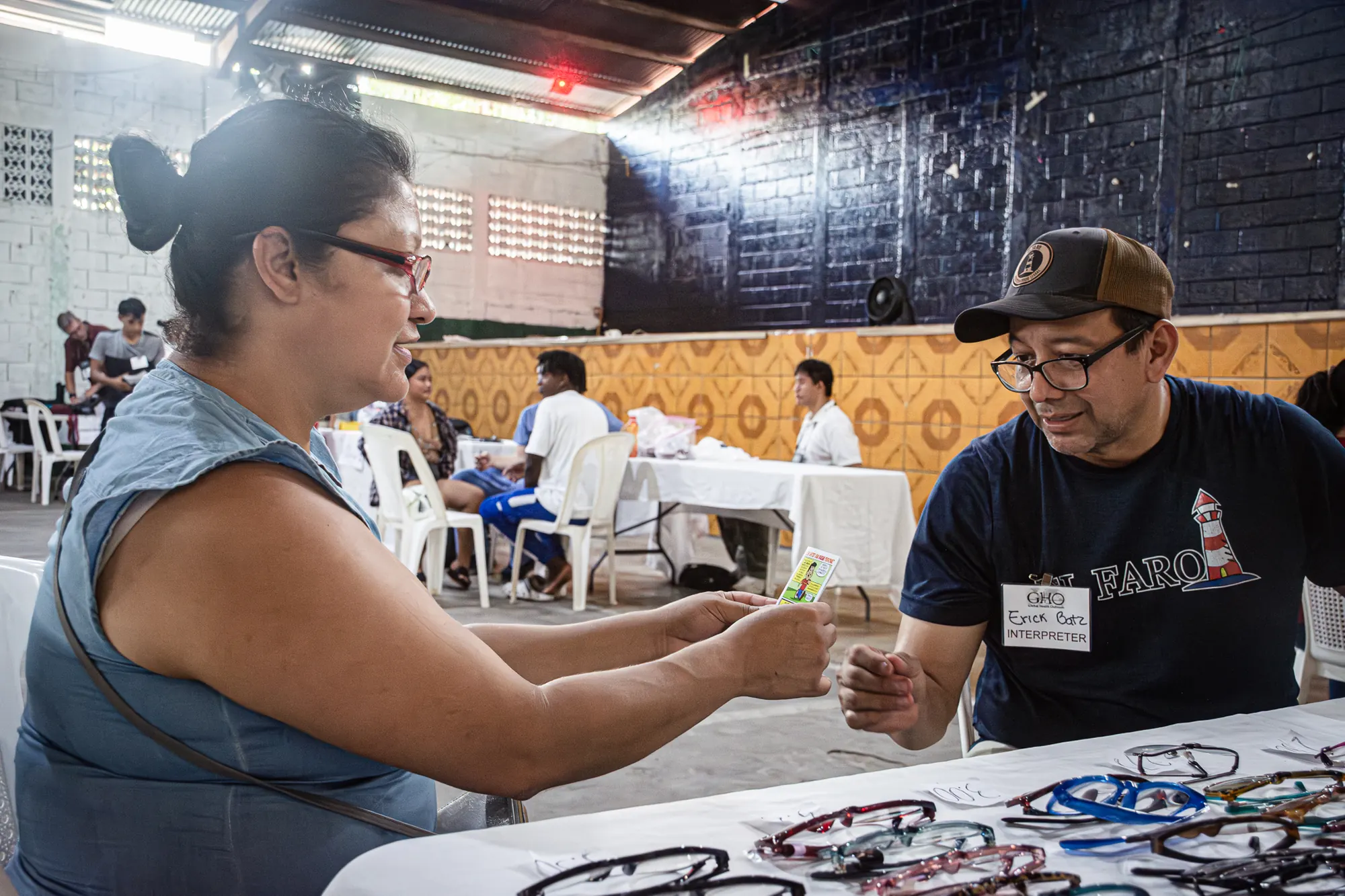
A resident receives care during an El Faro outreach day near Livingston.
02

The Izabal region

El Faro is located in Izabal on Guatemala’s Caribbean coast. The region is shaped by Lake Izabal, Río Dulce, jungle, mountains, shoreline, ports, rivers, and communities reached by road or water.

The climate is tropical, generally ranging from 80–90°F throughout the year. The rainy season usually runs from May through October, and heavy weather can make already remote routes more difficult.

03

Q’eqchi’, Garifuna, and Ladino communities

Izabal is culturally diverse. Q’eqchi’ Maya, Garifuna, and Ladino communities bring distinct languages, histories, music, food, traditions, and ways of organizing community life.

Those differences matter for ministry and service. Good partnership requires local guidance, careful communication, and the humility to avoid treating every community as though it shares the same experience or priorities.

Local and visiting team members serve together in Izabal.
04

Food from the Caribbean coast

Local cuisine reflects the coast through seafood, coconut, plantains, tropical fruit, and regional ingredients. Tapado—a rich seafood and coconut stew—is one of the foods closely associated with the Caribbean side of Guatemala.

Meals are also social spaces. Visitors should receive hospitality with gratitude, ask questions respectfully, and remember that food carries family, culture, memory, and regional identity.

05

Wildlife and landscape

Howler monkeys, toucans, manatees, sea turtles, mangroves, tropical forest, rivers, and Caribbean shoreline make Izabal ecologically remarkable.

The region’s natural beauty is not merely scenery. Water, weather, wildlife, agriculture, transportation, tourism, and household life are closely connected, and environmental pressures can affect how communities live and work.

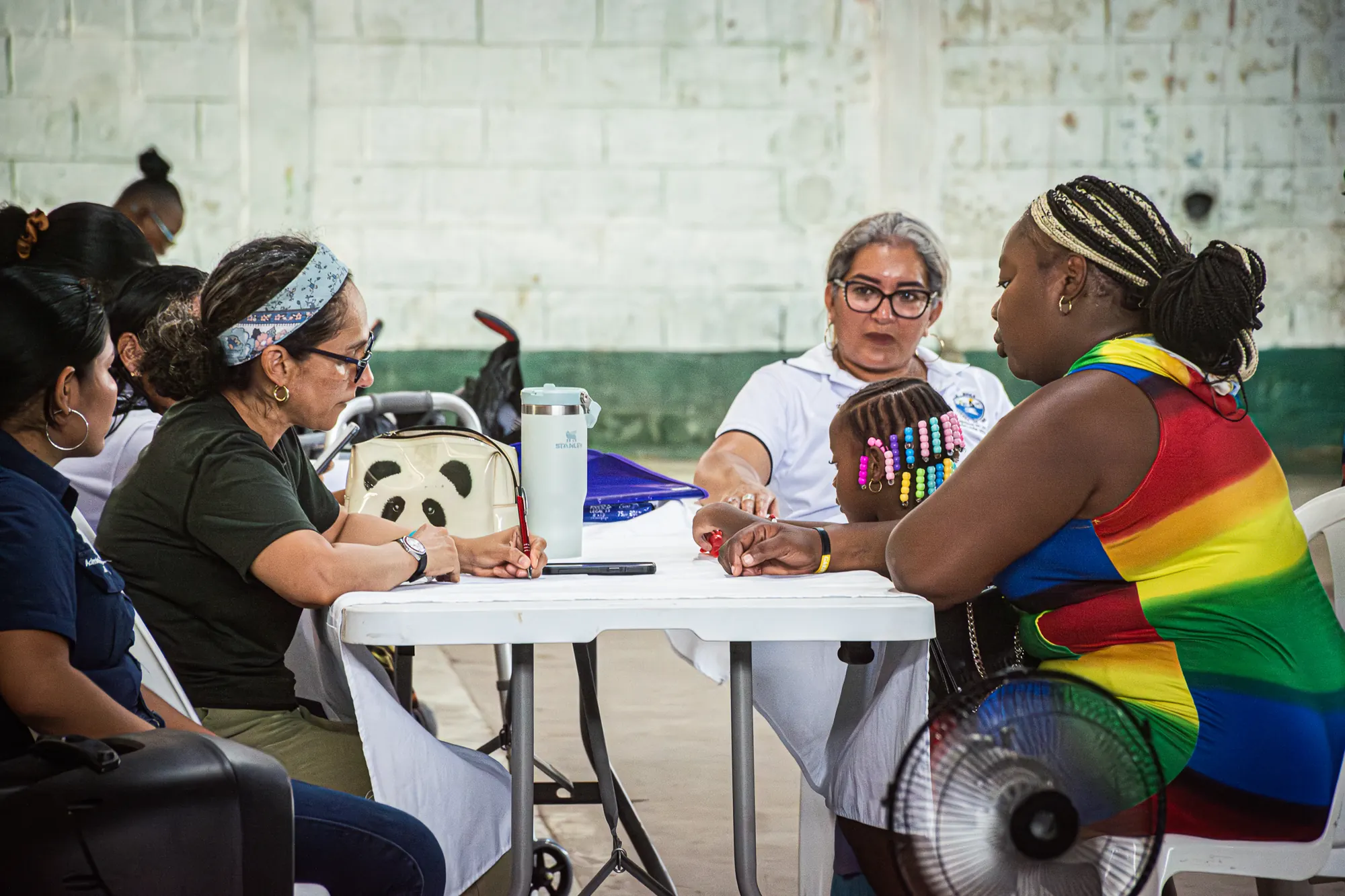
Community members and volunteers talk together during regional outreach.
06

History and regional gateways

Castillo de San Felipe stands near the entrance to Lake Izabal and reflects the region’s colonial and trade history. Puerto Barrios developed as a Caribbean port and remains an important commercial gateway.

Río Dulce and Livingston connect travelers with waterways, Garifuna culture, markets, food, and routes through the wider region. Each place has its own community life beyond its role on a visitor’s itinerary.

07

Puerto Barrios and nearby places

Puerto Barrios is the practical hub closest to El Faro, with markets, transportation, port activity, Caribbean food, and access to surrounding destinations.

Nearby places may include Livingston, Río Dulce, Castillo de San Felipe, Lake Izabal, hot springs, and local markets. Travel plans should account for distance, weather, boat schedules, and current guidance.

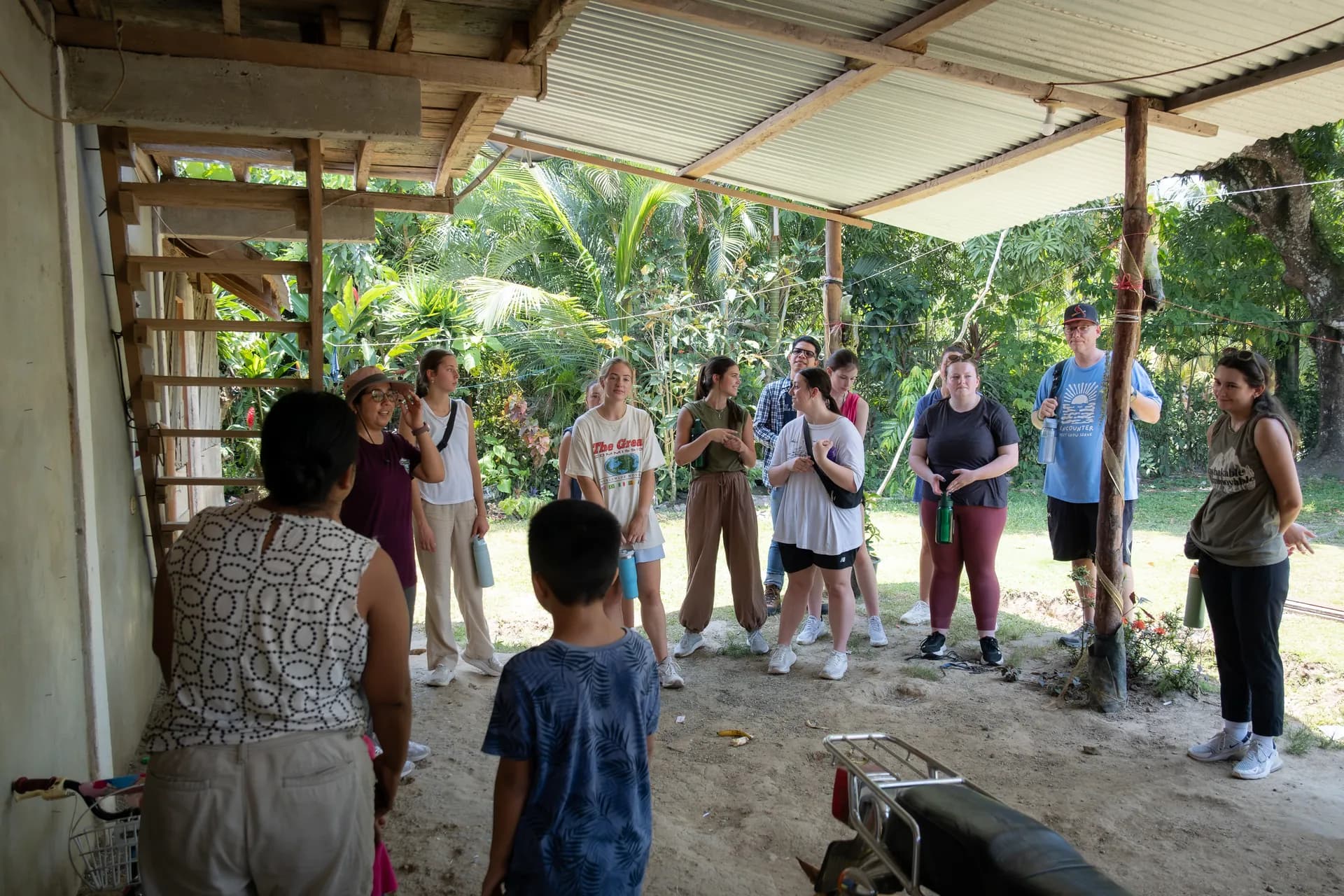
El Faro volunteers and local families gather at a home in Guatemala.
08

Communities El Faro serves

El Faro maintains relationships across approximately 40 communities. A village may include around 100 families, many living with low monthly income, limited health access, dirt floors, inconsistent water, and barriers to education or transportation.

Those statistics describe real pressures, but they do not erase the strengths present in local families, churches, leaders, and communities. El Faro’s role is to work alongside those strengths while responding to practical needs.

09

Cultural guidance for visitors

  • Greet people before beginning business or a project
  • Dress modestly in communities, churches, and ministry settings
  • Ask permission before photographing a person or home
  • Learn basic Spanish greetings even when translators are available
  • Expect timing to flex around weather, transportation, and relationships
  • Avoid comparing every custom with how things are done at home
  • Let local leaders explain what is appropriate in each community
Your next step

Experience Izabal through relationship.

A mission trip introduces you to the region through the people who call it home.

Explore mission trips