Mission trips

Guatemala Mission Trips Plan a Short-Term Mission Trip with El Faro

Come to serve within long-term work already guided by local relationships. Your team will be cared for, prepared, and invited into a week of faith, learning, and useful action.

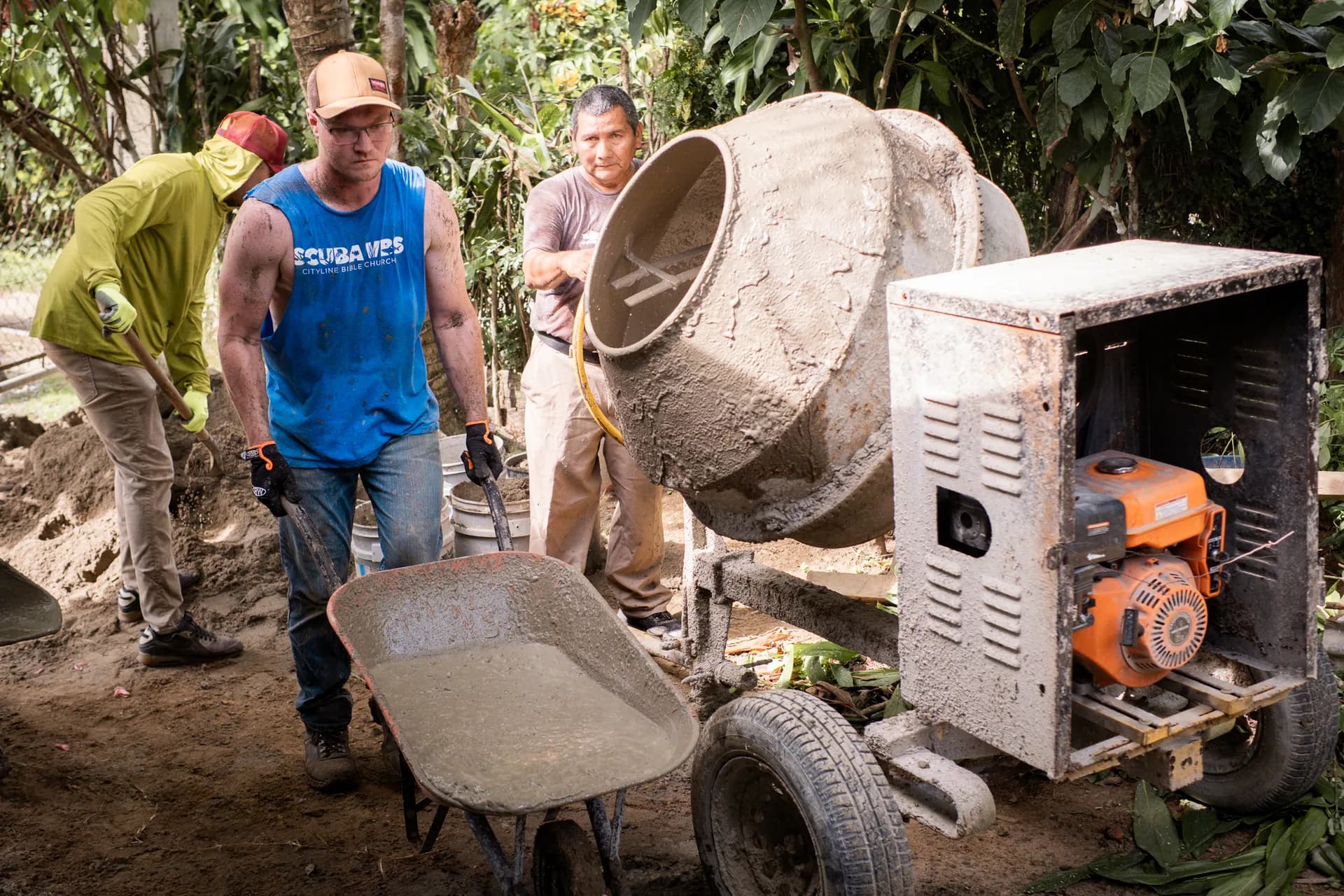
A mission team mixes concrete for a community construction project in Guatemala.
01

What an El Faro mission trip is

A mission trip is a short-term opportunity to put faith into action while joining work that is already led locally. It is different from ordinary travel because service, worship, learning, and relationship shape the schedule. It is also different from independent volunteering because the projects are connected to El Faro’s ongoing programs and community partnerships.

Teams do not arrive to “save” a community or begin work from scratch. They come to listen, contribute useful skills and resources, and serve alongside Guatemalan leaders, staff, churches, and families who continue the work after the team returns home.
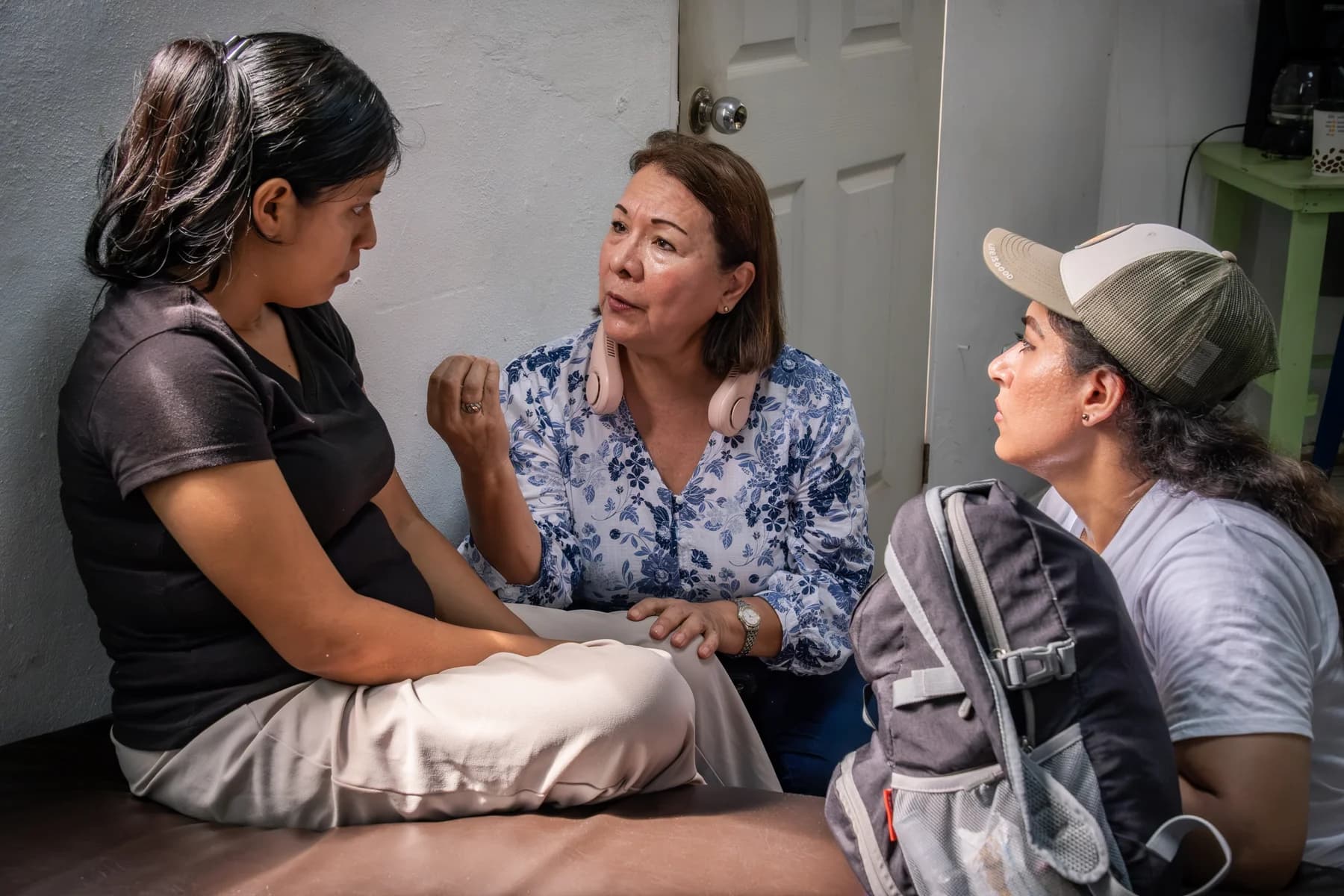
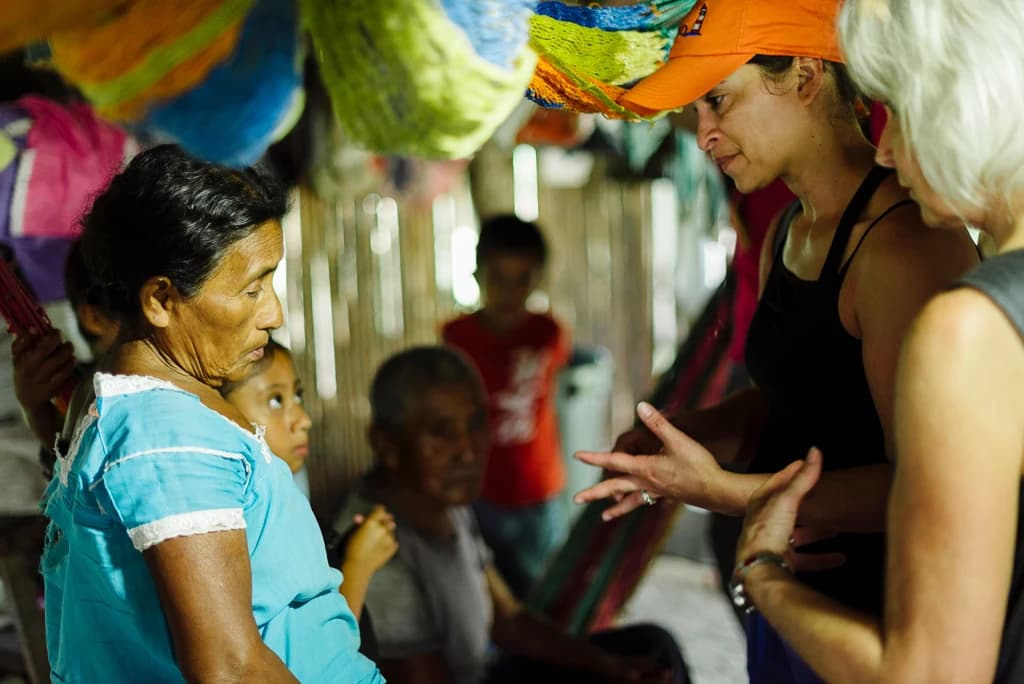
Visiting team members talk with a woman in her home.
02

Three ways to come

El Faro welcomes individuals, organized teams, and smaller vision trips. The right format depends on your goals, group size, available dates, and the kind of preparation or service you need.

  • Individual participants — join an approved opportunity or discuss where your skills fit
  • Church or organization teams — groups of at least six plan and serve together
  • Vision trips — three- to four-day visits for leaders exploring a future partnership
03

Relationship-based volunteer placements

Longer-term volunteering is a small, relationship-driven pathway rather than an open-enrollment program. Most volunteers come through personal relationships, church or ministry partners, professional connections, or referrals from people who already know El Faro.

When a placement may be a good fit, El Faro begins with a conversation about relationship, maturity, timing, current needs, and community life. Approved volunteers may stay from one week to three months, must be at least 18, and contribute where the team needs help rather than arriving for a narrowly defined role.

  • One to twelve weeks, based on fit and current need
  • $300 per week for meals, air-conditioned lodging, and related boat transport
  • Participation in worship, Bible study, shared meals, and community rhythms
  • Flexibility, cultural humility, reliability, and respect for local leadership
04

What teams do

Service assignments are selected during planning and matched with current local priorities. A team may focus on one major project or combine several ministry areas depending on its size, skills, and length of stay.

The purpose is to be genuinely useful. El Faro discusses the project, required skills, materials, transportation, community context, and realistic scope before the team arrives.

  • Home construction, concrete floors, school repairs, and special projects
  • Medical, dental, vision, or health outreach
  • Children’s ministry, Vacation Bible School, and Bible club
  • Food or clean-water distribution
  • Soccer, recreation, English practice, and youth activities
  • Prayer, evangelism, church partnership, and community visits
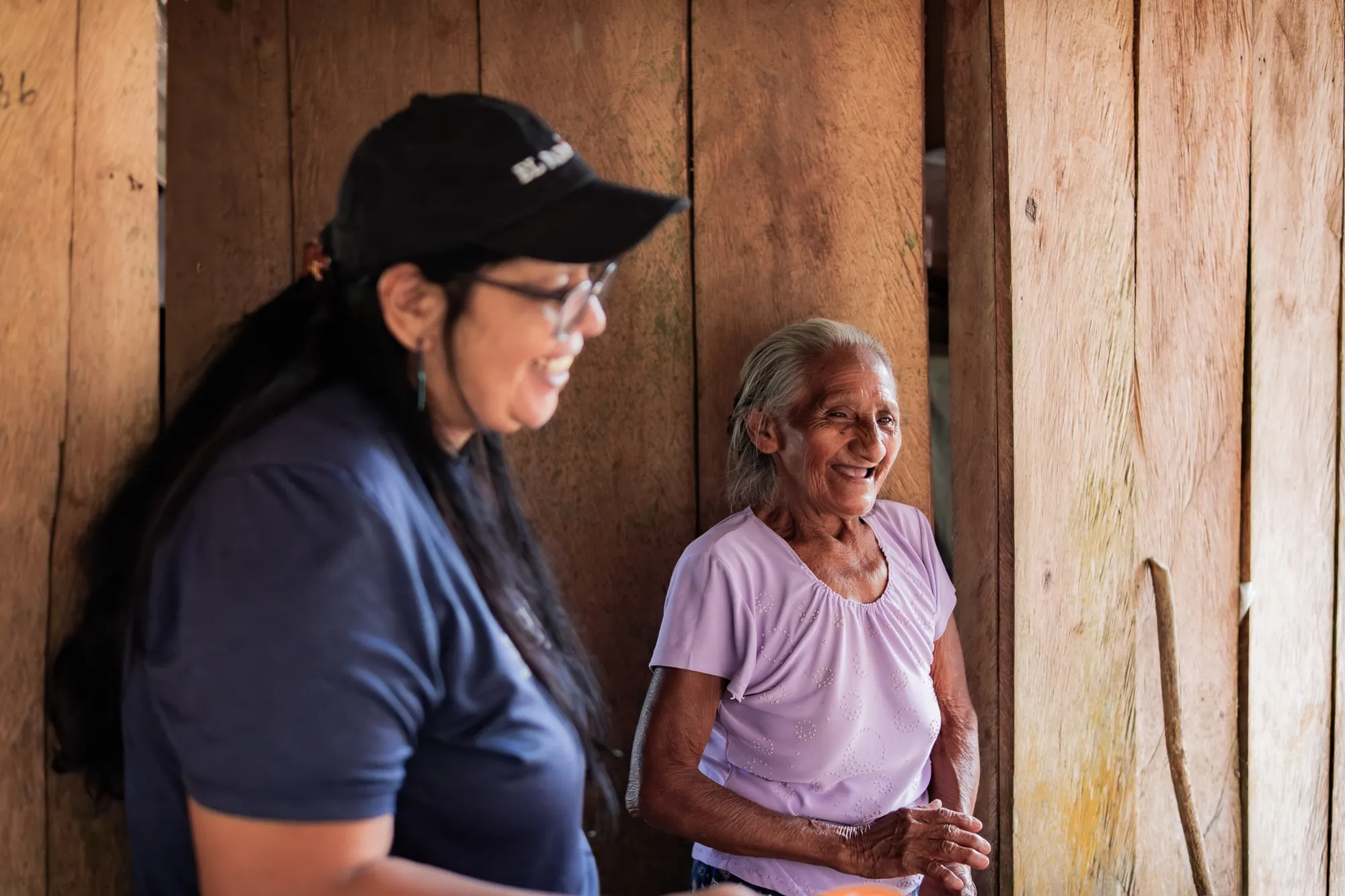
A volunteer talks with a woman during a home visit.
05

A typical day

A normal service day begins with breakfast around 7:00 a.m. Teams then gather supplies and travel with El Faro staff to the day’s community or ministry location.

The main work happens through the morning and afternoon, with lunch coordinated around the project. After returning to campus, teams have time to clean up, eat dinner, and process the day together. A debrief around 7:15 p.m. creates space for reflection, prayer, questions, and preparation for what comes next.

  • 7:00 a.m. — Breakfast and preparation
  • Morning — Travel and begin the day’s ministry
  • Midday — Lunch and continued service
  • Late afternoon — Return to campus and reset
  • Evening — Dinner, worship, conversation, and team debrief
06

Trip cost and what it includes

Rates start at $85 per day. Teams also plan a project contribution, typically $150 to $250 per person, based on the selected work and required materials.

The base cost covers air-conditioned lodging, 20 meals from Saturday dinner through the following Saturday breakfast, local ground transportation, border and boat transportation connected with the team itinerary, and coordination by El Faro staff.

  • Air-conditioned lodging with private bathroom and hot water
  • Twenty prepared meals
  • Ground and boat transportation in the region
  • Project and ministry coordination
  • On-campus support and daily team debriefs
07

When teams travel

El Faro hosts mission teams throughout the year. The busiest periods generally run from January through August and again from October through mid-December.

Teams should begin planning six to twelve months in advance whenever possible. Early preparation gives churches and organizations more time to recruit participants, raise support, choose an appropriate project, confirm travel, and complete required documents.

A visiting volunteer spends time with a local resident in Guatemala.
08

Travel to El Faro

Most teams fly into San Pedro Sula, Honduras. El Faro coordinates approximately three hours of ground transportation, the border crossing into Guatemala, and the final boat ride to the campus.

The route is part of the experience and requires flexibility. Border timing, road conditions, weather, and group movement can affect the schedule. Teams receive specific instructions before travel and should follow the current itinerary rather than arranging independent transfers.

09

Meals and campus life

Teams stay on El Faro’s coastal campus in air-conditioned rooms with private bathrooms and hot water. Meals are prepared by the hospitality team and served from Saturday dinner through the next Saturday breakfast.

Dietary needs should be discussed during planning so the kitchen team can explain what can be accommodated. Shared meals are an important part of the week, creating space for conversation, rest, and relationship after the day’s work.

10

Safety and medical support

The campus has two guards, security cameras, and on-site medical staff. A hospital is approximately 15 minutes away. El Faro also provides guidance for transportation, community visits, weather, and appropriate conduct.

No international trip is free of risk. Participants are expected to follow team leadership, carry travel insurance, disclose relevant health concerns during planning, and avoid independent travel outside the approved itinerary.

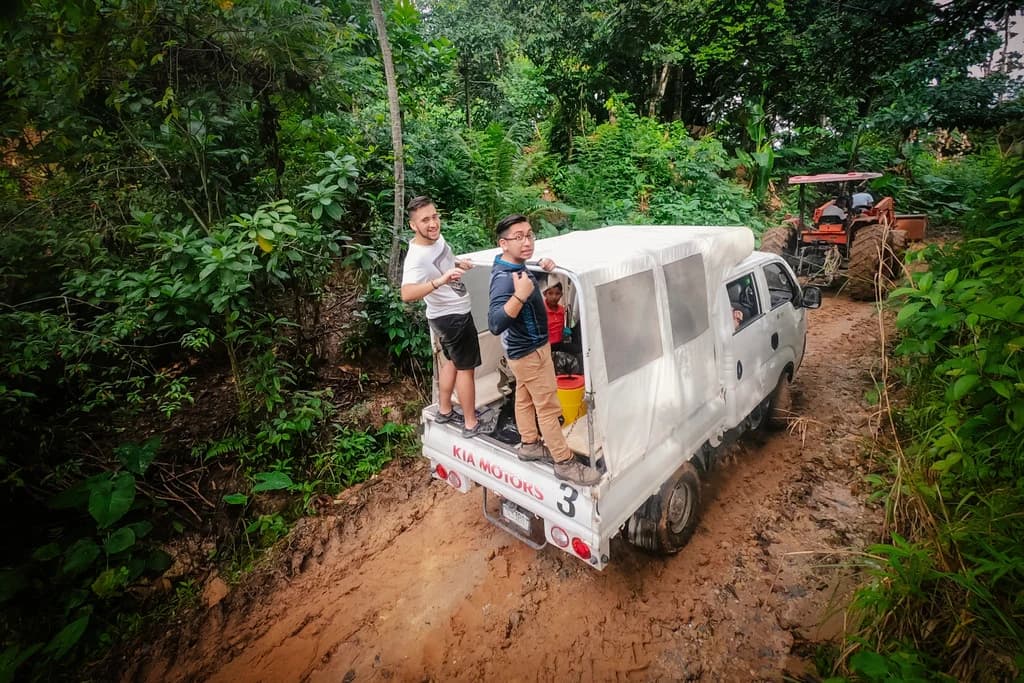
An El Faro truck travels along a forest road.
11

Requirements

U.S. citizens do not need a visa for a short visit, and El Faro does not require specific vaccinations. Travelers should still review current entry and health guidance with the appropriate government sources and their own medical provider.

  • A valid passport with at least six months remaining after travel
  • Travel insurance covering the full trip
  • A completed liability waiver
  • A parent or guardian’s signature for travelers under 18
  • A parent traveling with children under 12
  • Willingness to follow El Faro’s preparation and safety guidance
12

Prepare to serve and learn

Spanish is not required because El Faro staff help with translation, but learning basic greetings is a meaningful sign of respect. Teams should dress modestly, ask before taking photographs, remain flexible, and approach unfamiliar customs with curiosity rather than judgment.

The best preparation is not only logistical. Participants should arrive ready to listen, receive direction from local leaders, work beyond their preferred task when needed, and allow the experience to challenge how they understand service, faith, generosity, and community.

Your next step

Start with a conversation, not a commitment.

Tell us who you are bringing and what kind of service you are exploring.

Plan your trip