
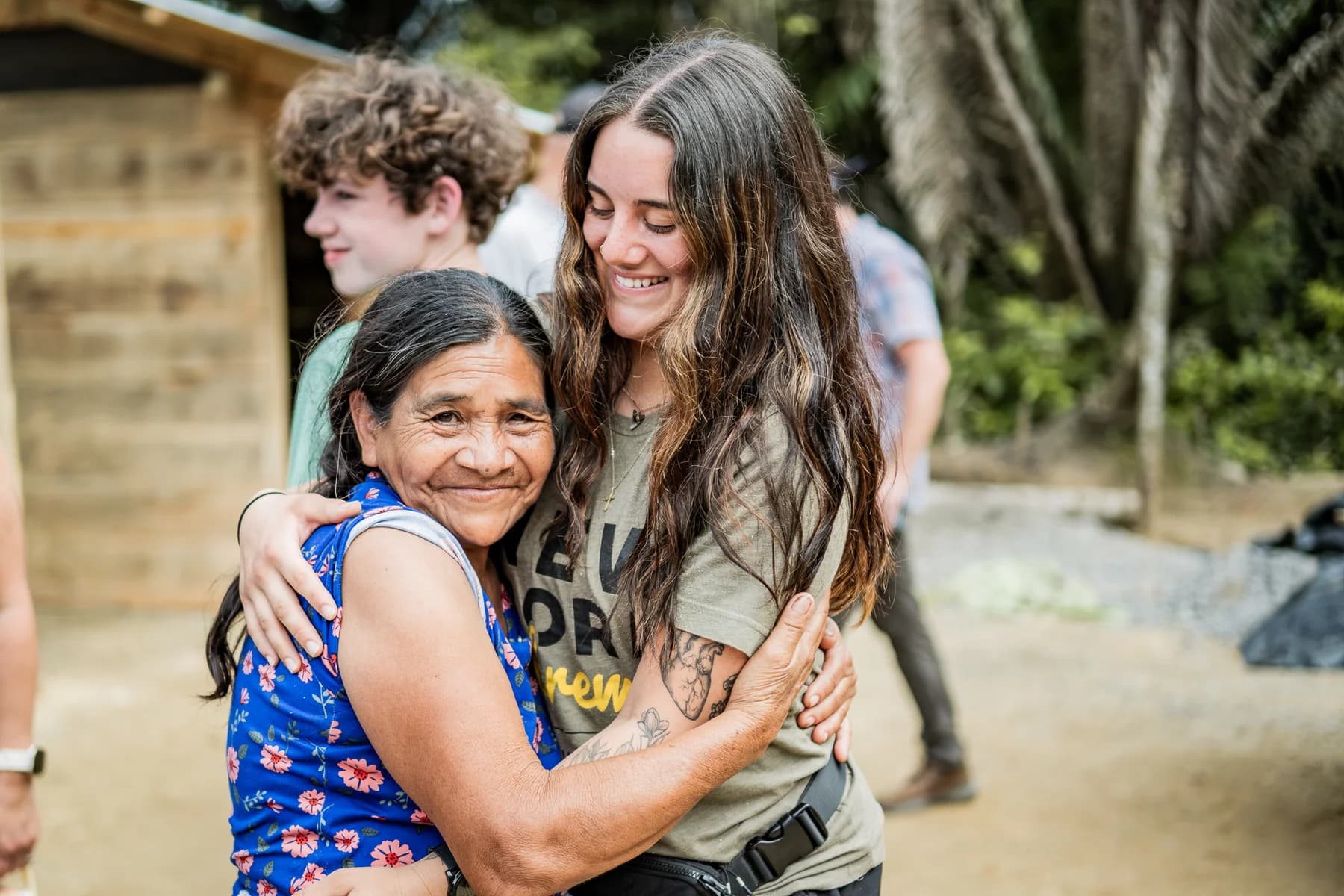
To put faith into motion
A mission trip turns belief into a schedule: waking up early, sharing meals, carrying supplies, listening through translation, praying with others, completing practical work, and choosing patience when plans change.
Christian service is not a way to earn spiritual value. It is a response to grace and an opportunity to make love visible through useful action.
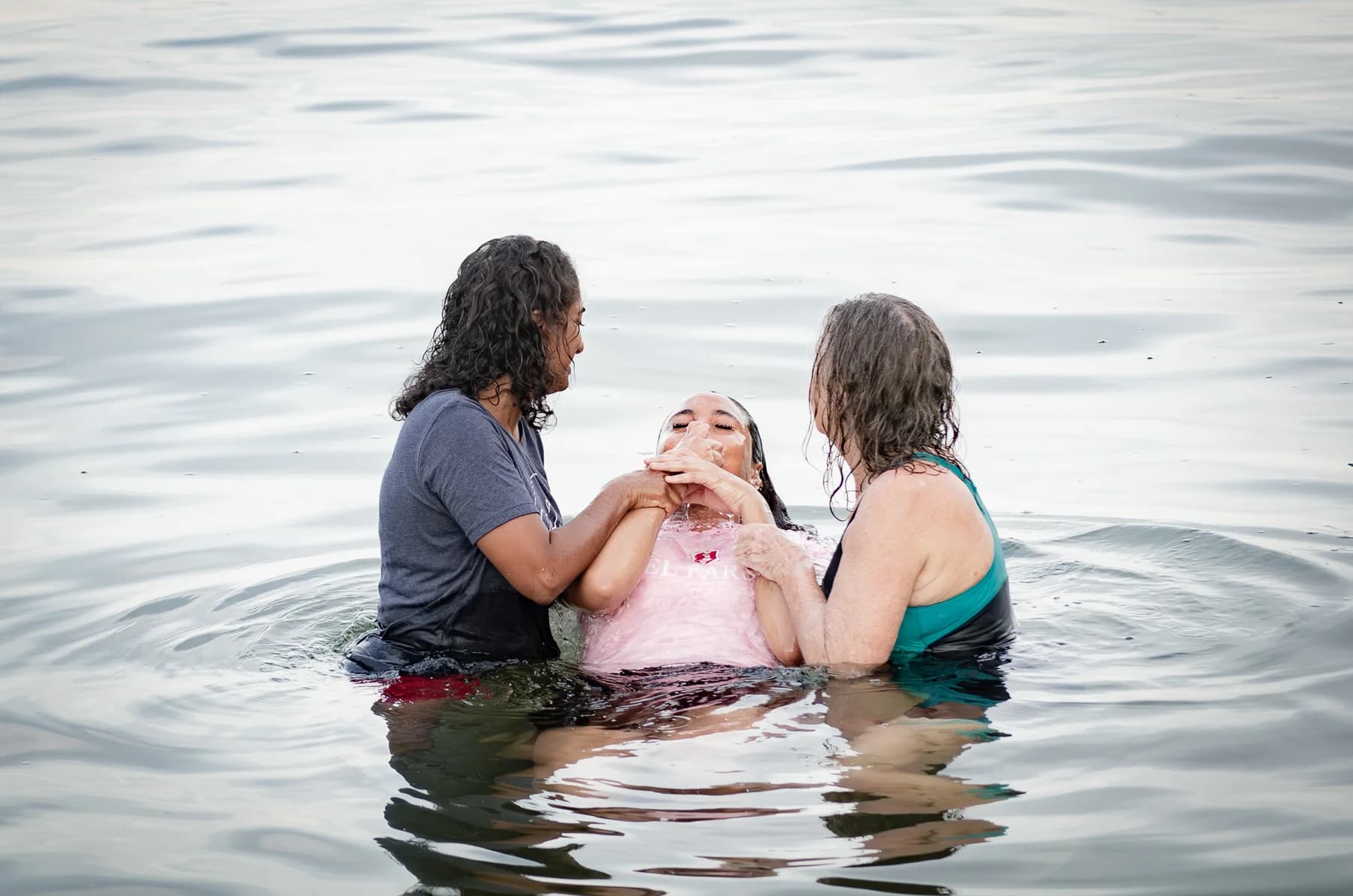
To join something larger than one week
Responsible trips connect participants with local leaders, churches, staff, and families who continue serving throughout the year. You are not beginning the story, and the work does not depend on your team alone.
That perspective can be freeing. Your responsibility is to prepare well, contribute honestly, and strengthen a long-term mission rather than trying to create a complete solution during a short visit.
To learn through relationship
Cross-cultural service places people together who might not otherwise meet. Shared work and meals can challenge assumptions that remain untouched by statistics or a classroom.
The goal is not to collect friendships as proof of a successful trip. It is to be present, curious, respectful, and open to what local leaders and families choose to share.
To see generosity differently
Participants often travel expecting to give and discover that they are also receiving hospitality, wisdom, prayer, humor, food, patience, and faith.
That two-way transformation is central to El Faro’s approach. People are not divided neatly into helpers and recipients. Everyone brings strengths, needs, and the ability to affect the other.
To practice courage and flexibility
International travel, unfamiliar work, language differences, heat, rain, group conflict, and changing plans can expose how tightly a person holds comfort and control.
A well-led mission trip creates a supported environment for practicing courage, asking for help, following others, and discovering that usefulness does not require certainty.
To strengthen your church or team
Serving together reveals how people communicate, lead, solve problems, handle fatigue, share responsibility, and care for one another. Daily debriefing helps a group turn those experiences into deeper trust and better teamwork.
The lessons can continue at home through stronger small groups, renewed missions engagement, local service, more thoughtful giving, and clearer awareness of the wider church.
Common reasons people hesitate
- I do not have useful skills — teams need reliable people willing to learn and help
- I do not speak Spanish — El Faro provides translation support
- I am nervous about safety — ask detailed questions and follow the host’s guidance
- I cannot afford it — begin early with saving, church support, and fundraising
- I am unsure about short-term missions — choose a locally led, long-term partner
- I am afraid the experience will feel uncomfortable — discomfort can be part of responsible growth
To bring the lesson home
The most important evidence of a meaningful trip may appear months later. Participants can return more attentive to neighbors, more responsible with money, more generous with hospitality, more engaged in church, and more willing to serve without recognition.
There are many reasons to say yes to a mission trip, but the best reason is not the experience itself. It is the opportunity to join faithful work, serve real people responsibly, and allow that encounter to reshape how you live afterward.