Health & medical

Medical Mission Guatemala Clinics, Eye Surgery & Dental Care

Distance, cost, and limited local infrastructure can make routine care unreachable. El Faro brings trusted teams, medicine, and follow-up support closer to the people who need them.

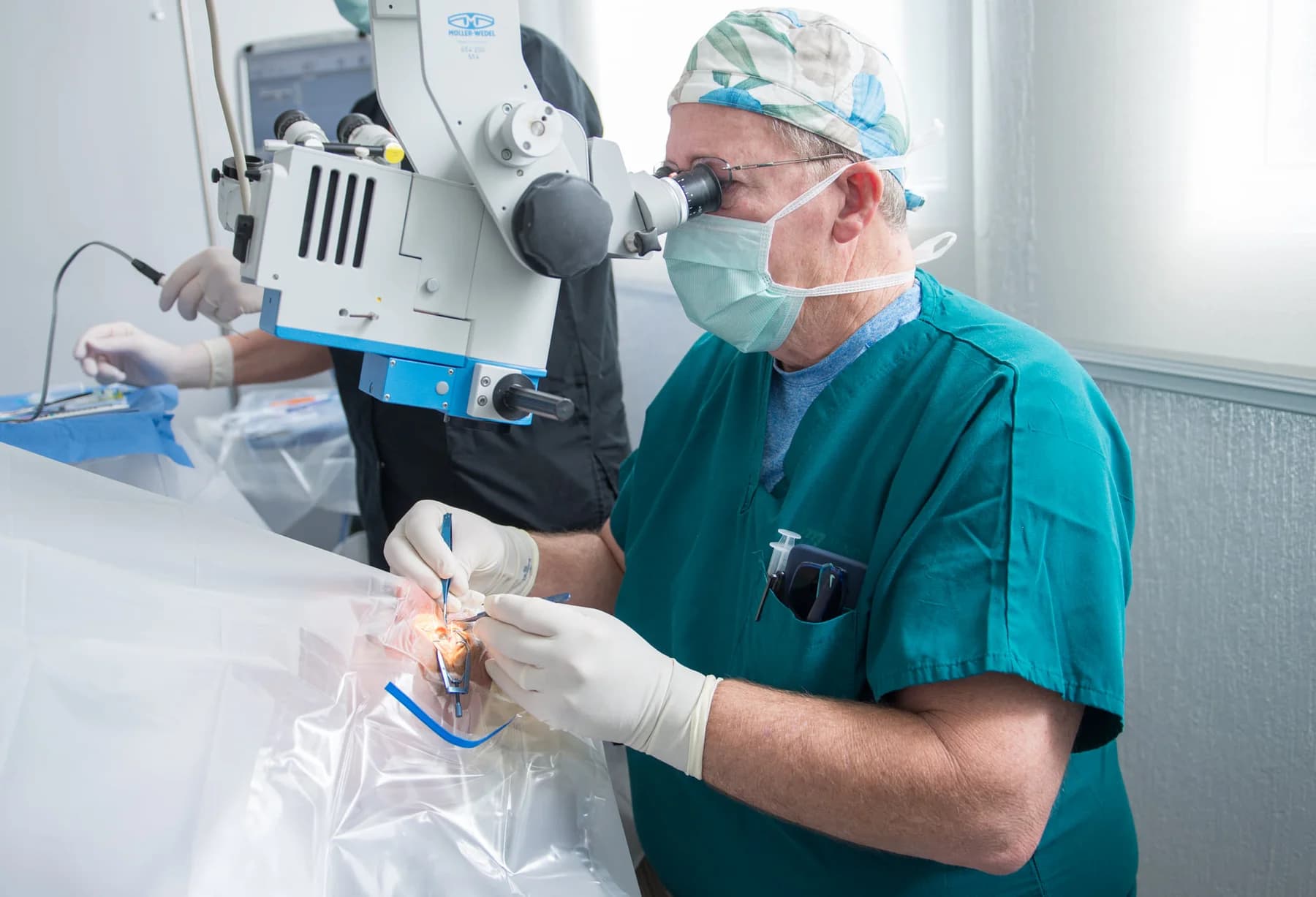
Eye surgery at El Faro.
01

Medical clinics in local communities

Medical teams travel with El Faro staff to communities where routine care may be difficult to reach. A typical clinic day serves approximately 80 to 150 patients, depending on the location, team size, and available specialties.

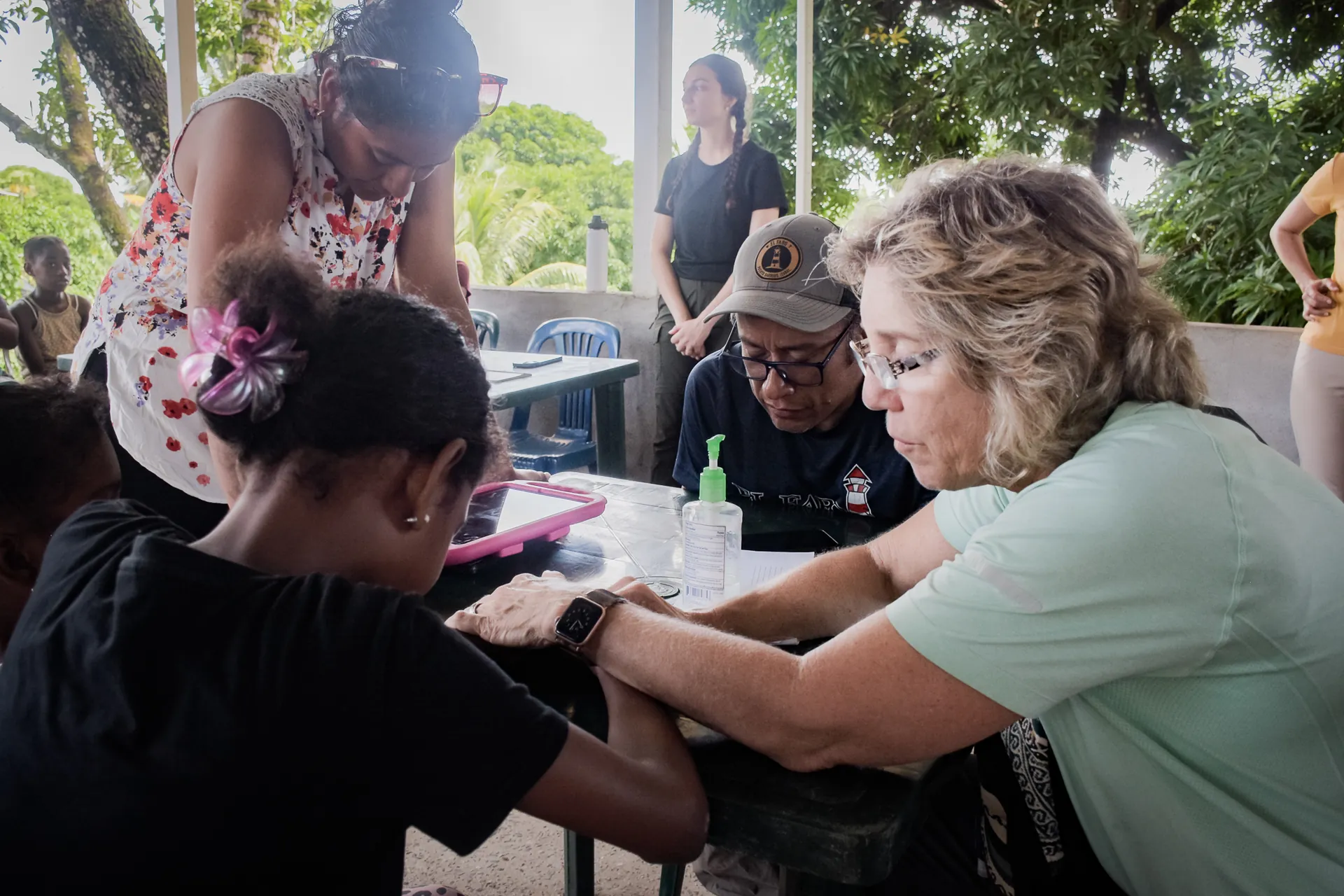
Patients move through registration and triage before meeting with a provider. The team then supports consultation, basic testing when available, medication, health guidance, and prayer. Local knowledge helps the visiting professionals understand context and communicate responsibly.

  • Registration and patient history
  • Vital signs and triage
  • Consultation with a medical professional
  • Medication from the team’s available supply
  • Prayer, education, and next-step guidance
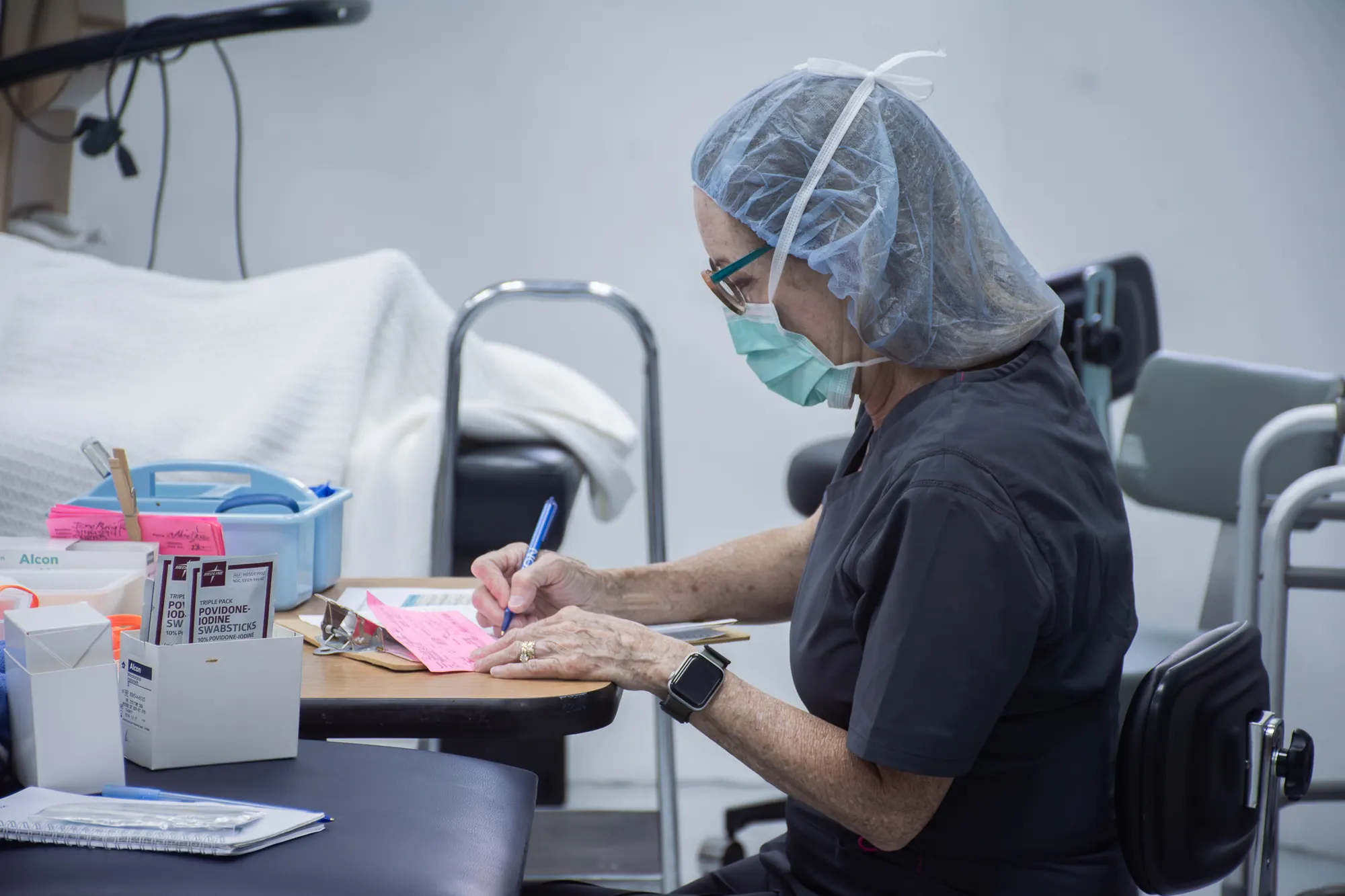
A medical volunteer prepares supplies for an El Faro eye surgery day.
02

Dental care that remains accessible

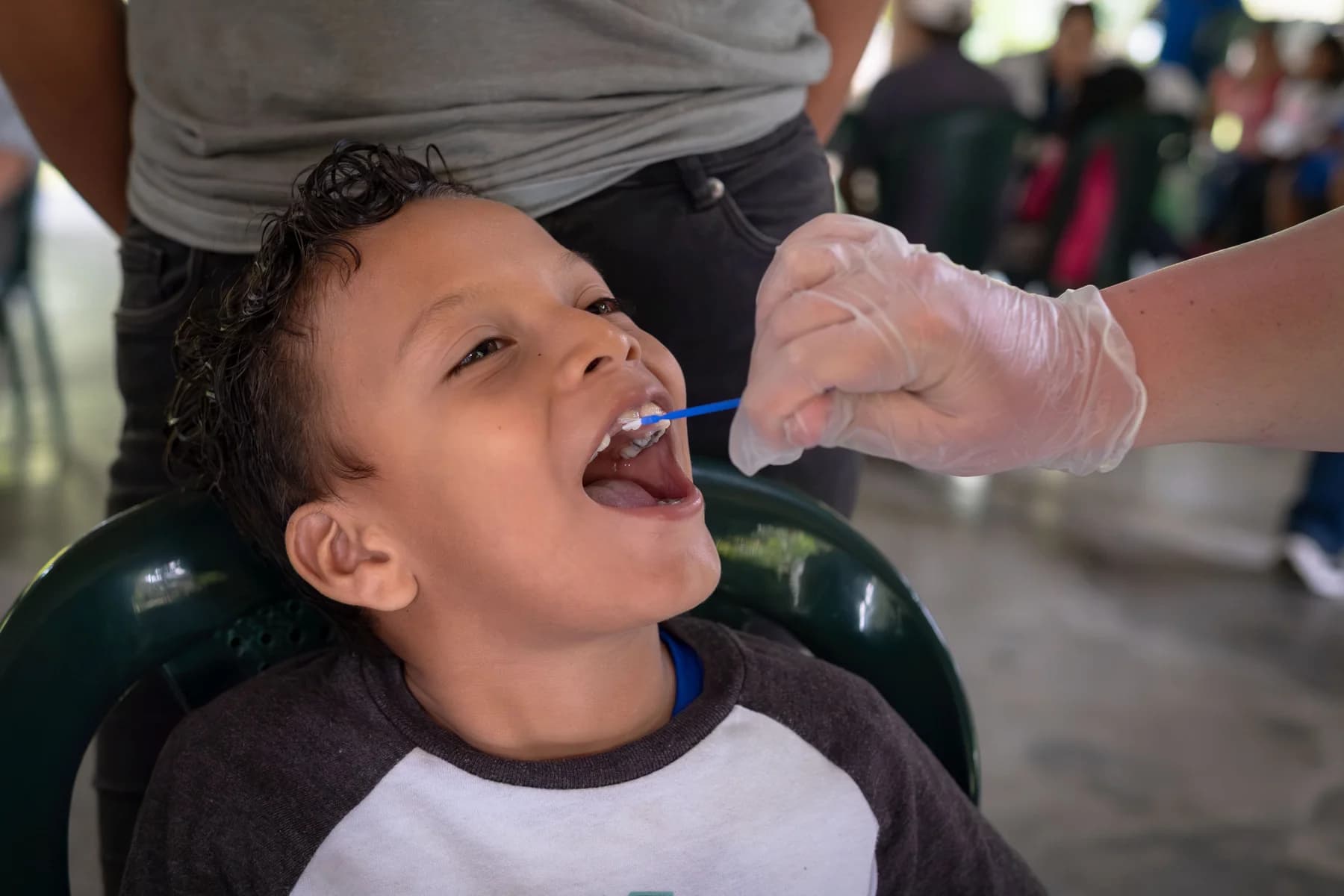
Dental teams provide field care such as extractions, cleanings, and fillings. El Faro also supports a base dental clinic that offers weekly services at a symbolic cost intended to keep treatment within reach.

The combination of field and base care allows visiting professionals to respond during mission trips while maintaining a more consistent point of access for people in the region.

A child receives dental care during an El Faro clinic.
03

Eye surgery missions

El Faro supports five to six eye surgery missions each year. The program has helped complete more than 3,500 procedures, restoring sight and addressing conditions that can limit work, mobility, education, and independence.

Procedures may include cataract surgery, pterygium treatment, corneal transplants, glaucoma care, and strabismus correction. Each mission depends on screening, appropriate patient selection, surgical coordination, and clear follow-up instructions.

  • Community identification and patient screening
  • Specialist evaluation and procedure planning
  • Surgical care through qualified teams
  • Recovery guidance and follow-up coordination
04

The Mother’s House

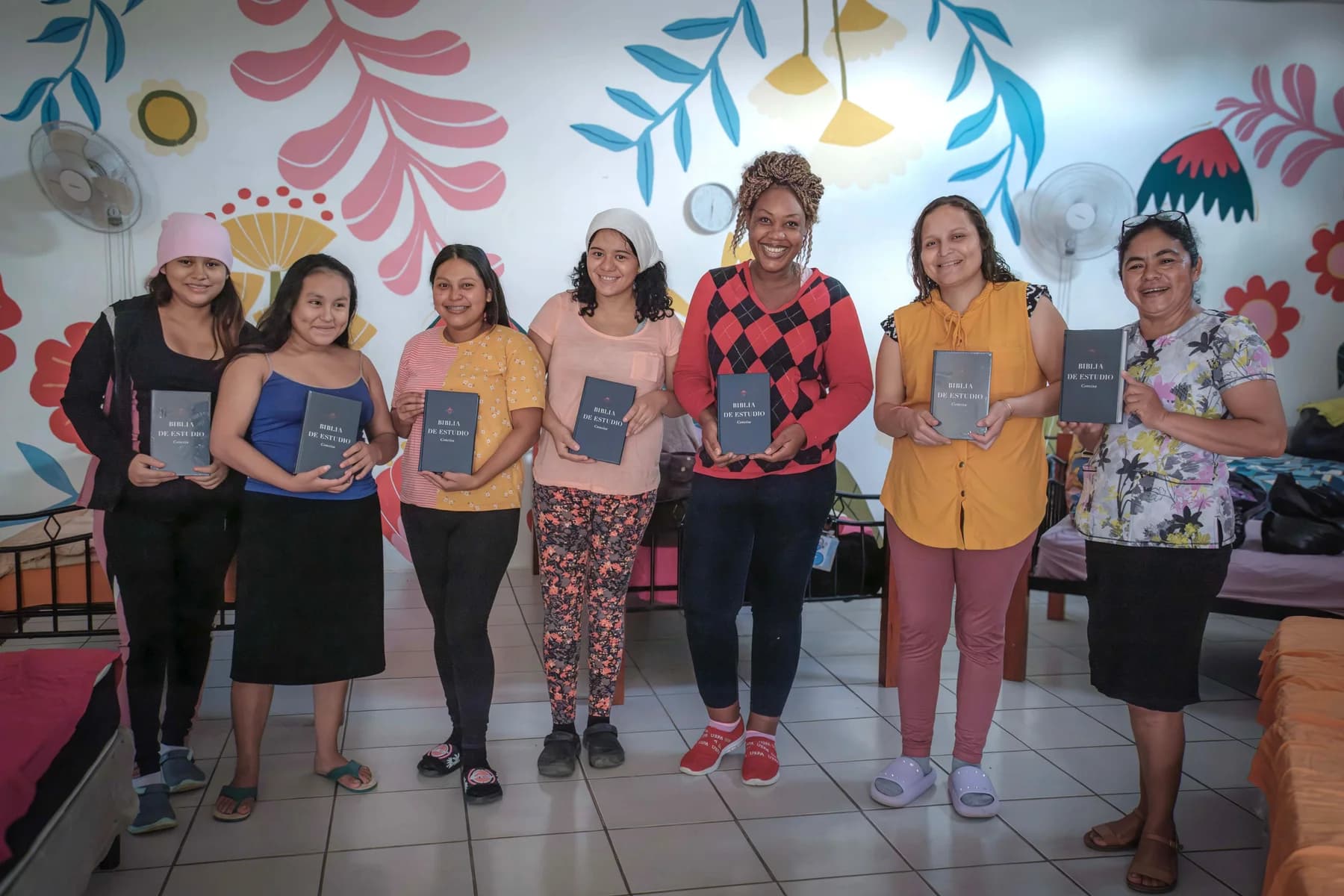
The Mother’s House gives women a safe place to stay while their children receive hospital care. More than 800 mothers use the house each year, reducing the burden of finding shelter, food, and support during an already difficult time.

The facility includes 20 beds and practical amenities for rest, meals, bathing, and daily needs. Emotional and spiritual support are equally important; mothers are welcomed into a caring environment rather than left to navigate the experience alone.

Women gather at the Mother’s House.
05

Care beyond one clinic day

A short-term medical team is most useful when it joins a longer system of relationships. El Faro staff help prepare communities, coordinate logistics, translate, manage medicine, and connect the visit to programs that remain active after the team leaves.

The goal is not to promise care that cannot be sustained. Teams work within their qualifications, available equipment, medication supply, and the local context. When a need requires more than the clinic can provide, the team communicates honestly about possible next steps.

A healthcare volunteer listens to a patient during a community medical clinic.
06

Who can serve

El Faro welcomes physicians, nurses, dentists, optometrists, surgeons, pharmacists, therapists, technicians, and other qualified medical professionals. Each team needs an appropriate clinical lead, and the equipment and scope of work are discussed during planning.

Students may be able to participate under proper supervision and pursue academic credit through their own school’s approved process. El Faro cannot grant credit directly, but it can help students describe the opportunity to their institution.

Explore medical mission trips
Your next step

Bring your skills. Join a prepared team.

Physicians, nurses, dentists, optometrists, students, and support volunteers are welcome.

Explore medical trips